Let's talk about cholesterol
What is cholesterol? What are LDL levels? We explore the topic of cholesterol and heart health, including cholesterol-lowering treatments, like PCSK9 inhibitors, and their availability in NZ.

Cholesterol has long been the subject of misconceptions, with numerous myths surrounding its role in health.
It is easy to feel confused by conflicting advice and uncertainty about the different types of cholesterol and lipid-lowering treatments.
Excessive levels of certain types of cholesterol in the blood can increase the risk to heart health. New international guidelines introduce cholesterollowering strategies and treatments that people in New Zealand could benefit from.
What is cholesterol?
Cholesterol is essential for our bodies to function. It is a fatlike substance in our blood that supports cell structure and hormone synthesis. Our bodies need some cholesterol; however, it is important to recognise that not all cholesterol is the same.
There are two types of cholesterol: 'Good' cholesterol (high-density lipoprotein, or HDL) helps remove fat from your blood. 'Bad' cholesterol (low-density lipoprotein, or LDL) transports cholesterol to tissues and cells, but it can also build up in your arteries over time, raising your risk of heart attack.
Everyone should regularly check their cholesterol levels, not just as they age. A blood test, known as a lipid test, can help monitor heart health and reduce the risk of cardiovascular disease (conditions that affect the heart and blood vessels).
So LDL levels are what I should keep an eye on?
Yes. LDL cholesterol, often called ‘bad’ cholesterol, is the main type of cholesterol that builds up in your arteries, increasing your risk of heart attack and stroke.
Early LDL testing is especially important for people with a family history of heart disease or other risk factors, as high LDL can cause damage long before any symptoms appear.
Are there medications that can help if I do have high LDL?
Treatment for high cholesterol looks different for everyone.
For some, lifestyle changes make a real difference to lower cholesterol. For others, genetics, existing heart disease, side effects from medication, or conditions like familial hypercholesterolaemia (FH) mean that a different approach may be needed.
There are two types of treatments available to help lower LDL cholesterol — statins and PCSK9 inhibitors.
PCSK9 inhibitors can decrease ‘bad’ (LDL) cholesterol by approximately 50–60%, making them particularly important for individuals at high risk of heart disease or with very high cholesterol levels.
They are also helpful for those who need additional cholesterollowering to reach healthier levels, or for people who cannot sufficiently lower their cholesterol with other treatments or cannot tolerate standard cholesterollowering medications.
How widely available are PCSK9 inhibitors?
PCSK9 inhibitors have been approved by Medsafe for use in New Zealand, however, they are not publicly funded, meaning these treatments are not subsidised.
Patients must pay out of pocket, which can cost thousands of dollars per year, making access difficult for many who could benefit.
In place of PCSK9 inhibitors, high-dose cholesterol-lowering medications (such as highdose statins and additional therapies to support cholesterol reduction) are typically funded.
PCSK9s are widely used (and funded) in countries such as Australia.
Why cholesterol levels matter
High cholesterol usually has no symptoms, so you can feel healthy while still being at risk. Cholesterol and heart risk build up over time.
Early detection of high cholesterol can prevent heart attacks and heart disease, so knowing your cholesterol levels is a small step that can make a big difference to your heart health over time.
Important questions to consider include determining what your LDL (‘bad’) cholesterol level should be, assessing whether you have a low, medium, or high risk of heart disease, and understanding your five-year risk of developing heart disease.
It is also essential to evaluate whether you need medication or lifestyle changes, how often you should check your cholesterol levels, what your long-term heart risk is, and whether your whānau should be tested as well.
Knowing your cholesterol levels gives a clearer picture of your personal risk and helps tailor the best prevention or treatment plans.
Did you know?
There are a lot of misconceptions about cholesterol. Here’s what you should know:
* You can feel healthy and have high ‘bad’ (LDL) cholesterol
* High cholesterol can affect anyone of any age, including young adults and children
* Men and women are just as likely to develop high cholesterol
* Statins aren’t the only treatment for high cholesterol
Talk to your doctor if you're concerned about your cholesterol
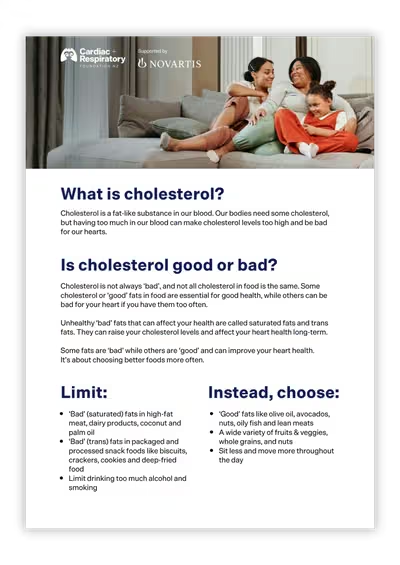
All resourcesCholesterol Infographic
This infographic explains what cholesterol is, the difference between good and bad cholesterol, and practical steps to help manage it.
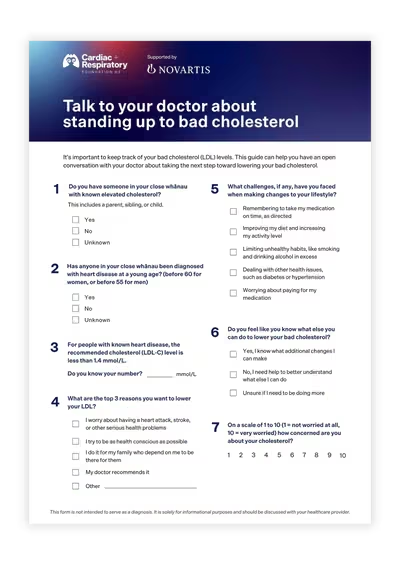
Talk to Your Doctor About Standing Up to Bad Cholesterol
This checklist is for people with high cholesterol or a family history of heart disease to bring to their doctor to help understand their LDL levels and discuss next steps.